A record, also known as a vinyl or LP, typically measures 12 inches in diameter. This iconic music format has a distinct size that has been cherished by audiophiles for decades. The question of “what size is a record” may seem straightforward, but there’s more to its significance than just dimensions. Understanding the unique size of a record offers insight into its tactile experience and how music is consumed and appreciated. Let’s dive deeper into the world of vinyl and explore why size does matter when it comes to records.

What Size is a Record?
Welcome to our exploration of the fascinating world of records! When we talk about records, we often think about achievements, such as the longest jump or the fastest runner. But have you ever wondered about the physical size of a record, the kind you can listen to? Let’s dive into the dimensions of a record and unravel some interesting facts along the way.
The History of Records
Records, also known as vinyl records, have been around for a long time. They were first introduced back in the late 19th century and became a popular way to listen to music. Before the digital age, people would play records on turntables to enjoy their favorite songs.
Common Sizes of Records
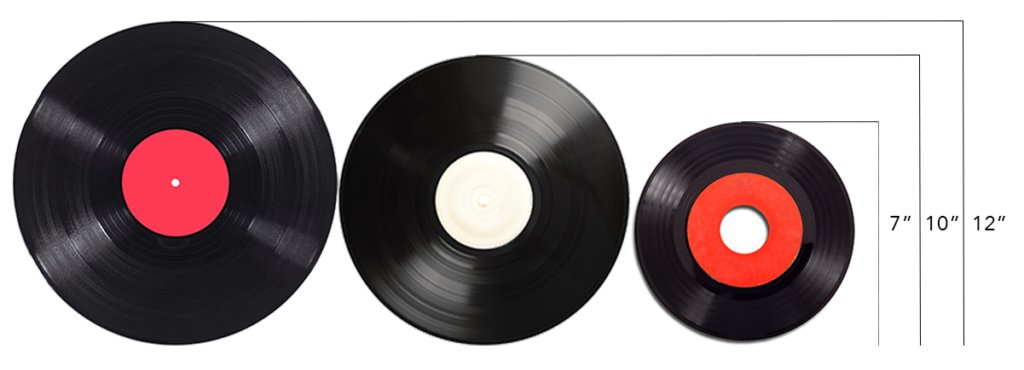
Records come in different sizes, each serving a specific purpose. The two most common sizes are the 7-inch and 12-inch records.
7-Inch Records
The 7-inch record, also known as the 45 RPM (revolutions per minute) record, is a smaller size. It is often used for singles, which are individual songs. The small size makes it easy to play a single song on each side of the record.
When you hold a 7-inch record in your hand, it’s like holding a musical treasure. The size is just right for a quick listen to your favorite tune or for collecting different songs by various artists.
12-Inch Records
On the other hand, the 12-inch record is larger and can hold more music. These records are commonly used for albums, which are collections of songs by the same artist or band. The bigger size allows for more tracks to be included on each side of the record.
Imagine holding a 12-inch record and feeling the weight of the music in your hands. Each groove on the vinyl contains a different song, waiting to be played and heard. It’s like having a musical storybook that you can listen to over and over again.
Exploring Record Sizes Further
While the 7-inch and 12-inch records are the most common sizes, there are other variations as well. Some records are even larger, such as the 10-inch records, which offer a unique listening experience.
Record collectors often enjoy exploring different sizes and formats of records to add variety to their collections. Each size offers a distinct way to enjoy music, from singles to full albums.
Preserving Records for the Future
Records may seem like a thing of the past in today’s digital world, but they hold a special charm that continues to captivate music lovers. Proper care and maintenance are essential to ensure that records remain playable for years to come.
By storing records in protective sleeves, keeping them away from heat and direct sunlight, and cleaning them regularly, you can preserve the magic of vinyl for future generations to enjoy.
In conclusion, the size of a record can vary depending on its purpose, with 7-inch and 12-inch records being the most common sizes. Whether you’re listening to a single or a full album, records offer a unique way to experience music.
Next time you come across a record, take a moment to appreciate its size and the craftsmanship that goes into creating a piece of musical history. Who knows, you might discover a new favorite song that sounds even better on vinyl!
the best vinyl turntable for beginners #shorts
Frequently Asked Questions
What are the standard sizes of a record?
Records come in various sizes, but the most common ones are 7-inch, 10-inch, and 12-inch diameters. These sizes determine how much music content can be stored on each record.
How do I know the size of a record I own?
To determine the size of a record, you can measure its diameter using a ruler or a measuring tape. The most standard sizes are 7-inch, 10-inch, and 12-inch, and the measurement will help you identify which category your record falls into.
Do different record sizes affect the sound quality?
The size of a record does not directly impact its sound quality. Sound quality is primarily determined by the mastering and pressing process, as well as the condition of the record itself. The size of the record mainly affects the amount of music that can be stored on it.
Final Thoughts
The standard size of a record is 12 inches in diameter for LPs and 7 inches for singles. These physical dimensions allow for optimal sound quality and space for each individual track. Understanding what size is a record is essential for collectors, DJs, and music enthusiasts alike. Make sure to consider the size when storing, handling, or playing your vinyl records to ensure their longevity and pristine condition.