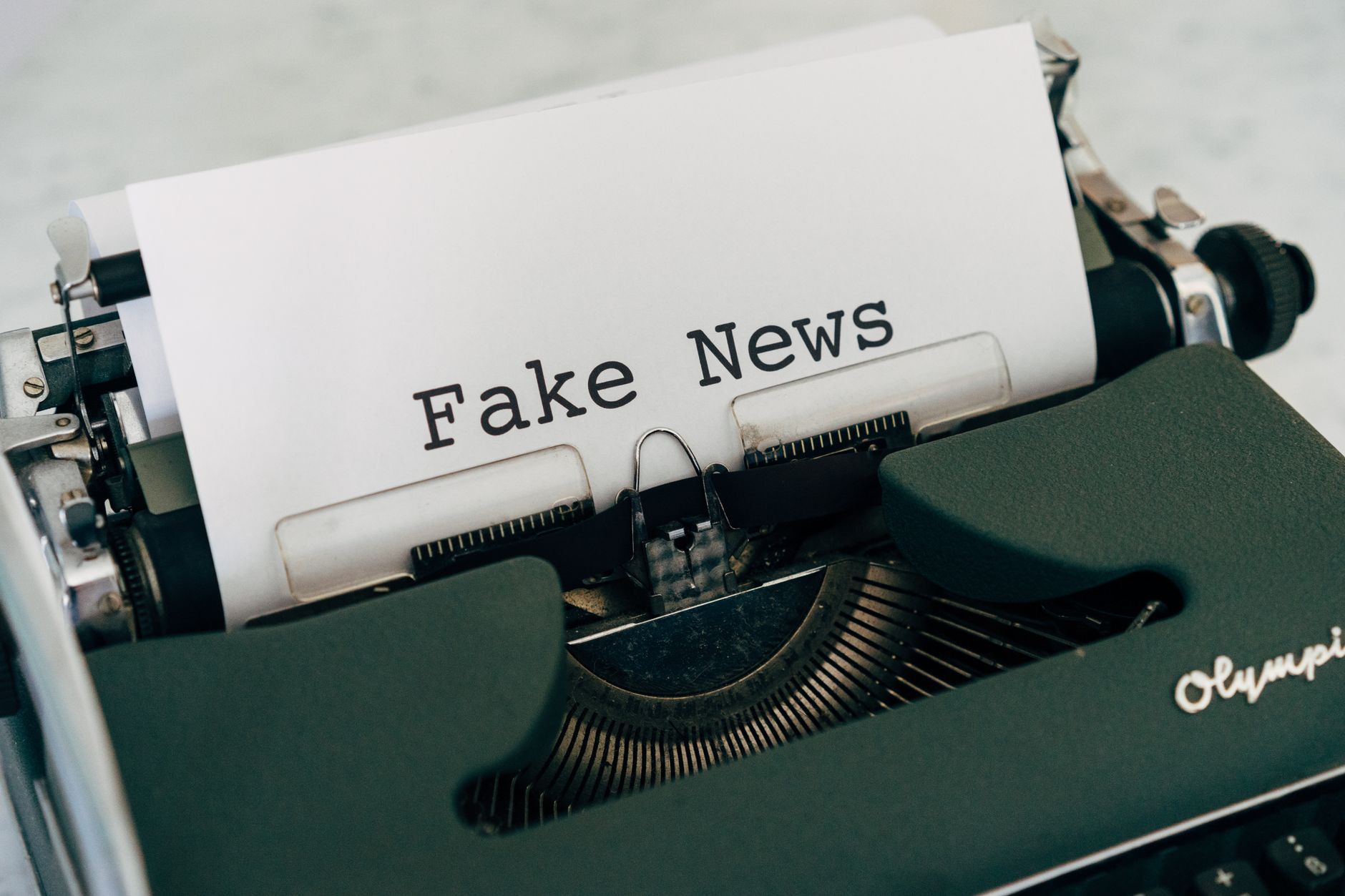
fake admissions are at the heart of a troubling trend in higher education. This article explores the implications of misleading practices in the admissions process.
Understanding Fake Admissions
In recent years, the phenomenon of fake admissions has garnered significant attention, raising concerns about the integrity of academic institutions. These fraudulent practices not only undermine the educational system but also create an unfair advantage for those who engage in them.
The motivations behind fake admissions can vary widely, often driven by a desire for prestige or perceived social status. In many cases, individuals or organizations exploit loopholes in the admissions process, leading to dire consequences for both the victims and genuine applicants.
To better understand the implications of fake admissions, it is essential to consider the broader context:
- Impact on students who are denied rightful opportunities.
- Loss of trust in educational institutions by the public.
- Legal repercussions for those involved in the fraud.
As society grapples with these issues, it becomes increasingly crucial to implement stringent measures to combat fake admissions and ensure a level playing field for all aspiring students.
The Role of Gatekeepers in Admissions
The role of gatekeepers in admissions has become increasingly critical as instances of fake admissions rise. These individuals, often seen as the first line of defense, are responsible for verifying the integrity of applications and ensuring that students meet the necessary criteria for acceptance.
However, the pressure on these gatekeepers has intensified due to:
- Increased competition: With more applicants vying for limited spots, the temptation to resort to fake admissions has grown.
- Limited resources: Many institutions struggle to allocate adequate resources for thorough background checks, making it easier for fraudulent applications to slip through the cracks.
- Technological advancements: As technology evolves, so do the methods used by those attempting to falsify their credentials.
Gatekeepers must navigate a complex landscape where they are tasked with balancing efficiency and thoroughness. Their vigilance is essential not only to uphold the integrity of the admissions process but also to protect the future of honest candidates who genuinely seek higher education opportunities.
Impact on Students and Families
The issue of fake admissions has far-reaching consequences that affect not only students but also their families. When students fall victim to fraudulent practices, they face a multitude of challenges that can hinder their academic and personal growth.
Many families invest significant resources, both financial and emotional, in the hopes of securing a bright future for their children. However, when these aspirations are undermined by fake admissions, the repercussions can be devastating. Families may experience:
- Emotional Distress: The shock of realizing that their child’s admission was based on deceit can lead to feelings of betrayal and hopelessness.
- Financial Burden: Money spent on application fees, test preparation, and even tuition can be lost, leaving families in a precarious financial situation.
- Academic Setbacks: Students who are misled into believing they are enrolled may struggle academically, affecting their future opportunities.
Ultimately, the impact of fake admissions extends beyond individual students, creating a ripple effect that can disrupt entire families and communities.
Legal Consequences of Fraudulent Admissions
The rise of fake admissions schemes has led to serious legal consequences for both institutions and individuals involved. Universities found engaging in fraudulent admissions practices risk significant penalties, including hefty fines and loss of accreditation. In many cases, the consequences extend beyond the institution; individuals caught in these schemes can face criminal charges ranging from fraud to conspiracy.
Many admissions gatekeepers, who are tasked with evaluating applicants, have also found themselves under scrutiny. Some have been implicated in facilitating these fake admissions, leading to damaging lawsuits and a tarnished reputation. Parents and students who participated in such schemes often face severe repercussions, including potential jail time.
The legal landscape surrounding fake admissions is evolving, as legislators seek to impose stricter regulations and enhance oversight. Legal experts emphasize the importance of transparency in the admissions process, advocating for reforms that would deter future fraudulent activities. As awareness grows, institutions must take proactive measures to protect their integrity and ensure fair access for all applicants.
How to Spot Fake Admissions
Identifying fake admissions can be challenging, but several telltale signs may help in spotting them. Here are key indicators to consider:
- Unusual Application Patterns: Look for discrepancies in application statistics, such as a sudden spike in acceptances from a particular demographic or region.
- Incomplete or Inconsistent Information: Examine applications for missing documents or inconsistencies in academic records that raise red flags.
- References and Endorsements: Verify the authenticity of references provided. Unfamiliar names or vague endorsements can indicate potential fraud.
- Social Media Presence: Investigate the online presence of applicants. A lack of digital footprint may suggest fabricated backgrounds.
- Pressure from External Sources: Be wary of applicants who show signs of undue influence from outside parties, which could indicate manipulative tactics.
By staying vigilant and informed, institutions can reduce the incidence of fake admissions and promote a more equitable admissions process.
Case Studies of Admissions Scandals
Recent case studies of admissions scandals reveal the shocking extent of fake admissions practices that have infiltrated educational institutions. Notable incidents showcase how individuals exploited the system for personal gain, affecting countless aspiring students.
- The Varsity Blues Scandal: This high-profile case involved wealthy parents bribing college officials and coaches to secure spots for their children at prestigious universities. The fallout led to numerous arrests and a re-evaluation of admissions processes.
- International Student Fraud: Some institutions have faced challenges with fake admissions involving international students. Unscrupulous agents misled applicants and institutions alike, submitting falsified documents to facilitate entry.
- Community College Deception: In some regions, community colleges have uncovered schemes where individuals created fake transcripts to gain admission, taking opportunities away from genuine candidates.
These alarming examples highlight the pervasive issue of fake admissions, underscoring the need for stricter oversight and transparency in educational systems. As institutions grapple with these challenges, the integrity of admissions processes remains at stake.
The Future of College Admissions
The landscape of college admissions is evolving, and the issue of fake admissions is becoming increasingly prominent. As institutions adapt to new technologies and changing societal expectations, the pressure to maintain integrity in the admissions process is more crucial than ever.
Experts predict that the future of college admissions will see a greater emphasis on transparency and accountability. Initiatives aimed at improving the verification of applicants’ credentials are likely to gain traction. This shift may involve:
- Enhanced background checks: Colleges may invest in more rigorous checks to ensure applicants’ qualifications are legitimate.
- Standardized application processes: A move towards uniform applications could help reduce opportunities for fraudulent claims.
- Increased collaboration: Institutions might partner with external organizations to share information and best practices in admissions.
Ultimately, the goal will be to safeguard the integrity of the admissions process and restore trust among students and families, ensuring that every applicant has a fair chance based on their true merits.
What Students Can Do
In the wake of rising concerns about fake admissions, students must take proactive steps to ensure their academic integrity and future prospects. Here are several actions students can undertake:
- Conduct Thorough Research: Investigate colleges and universities to understand their admission processes and verify their legitimacy.
- Seek Guidance: Consult with counselors, teachers, or trusted mentors who can provide insights into the admissions landscape.
- Utilize Official Resources: Rely on official college websites and resources like the College Board to gather accurate information.
- Network with Peers: Engage with fellow students to share experiences and warnings about potential scams or misleading programs.
- Report Suspicions: If you suspect fraudulent activities or fake admissions practices, report them to authorities or school officials to help protect others.
By taking these steps, students can better navigate the complex world of college admissions and minimize the risk of falling victim to fake admissions schemes.
Photo by Markus Winkler on Pexels