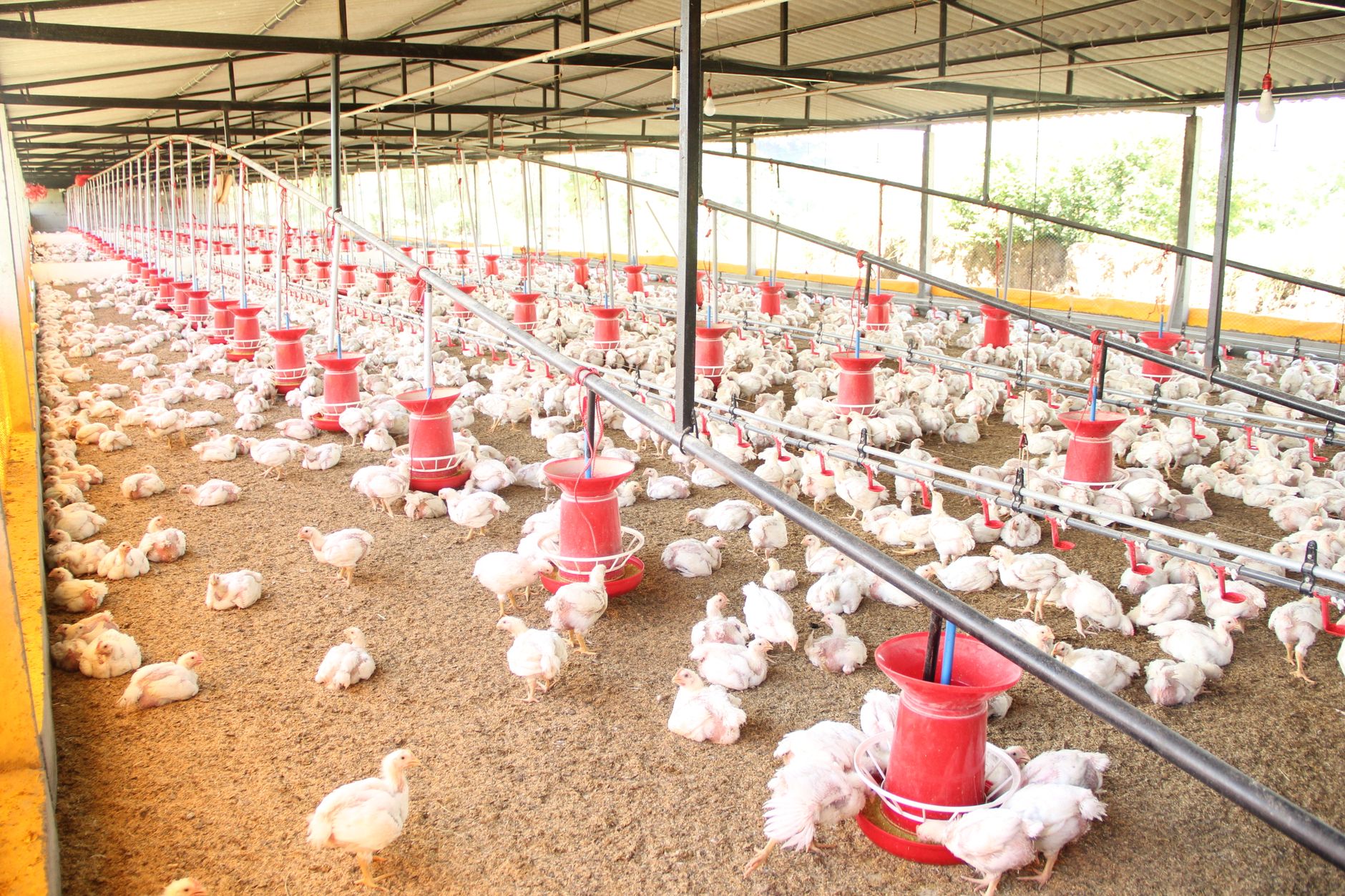
The H5 bird flu case has been confirmed in Australia, marking a significant milestone in the country’s health landscape. This article explores the science that underpins this discovery and its potential impact.
What is H5 Bird Flu?
The H5 bird flu, also known as avian influenza, is a highly contagious viral infection that primarily affects birds, particularly poultry. However, it can also infect mammals and, in rare cases, humans. The virus is categorized into different subtypes, with H5 being one of the most pathogenic forms. This infection can lead to severe respiratory disease and significant mortality rates in affected avian populations.
The transmission of H5 bird flu typically occurs through direct contact with infected birds or contaminated environments. The virus can survive in various conditions, making it a persistent threat to poultry farms. Symptoms in birds may include a sudden drop in egg production, swelling of the head, and respiratory distress.
To confirm an H5 bird flu case, scientists employ advanced diagnostic techniques, including PCR (polymerase chain reaction) testing and viral culture methods. These procedures enable researchers to identify the specific strain and assess its potential impact on both animal and public health.
As Australia faces its first confirmed H5 bird flu case, ongoing surveillance and research are crucial to mitigate the risks associated with this formidable virus and to safeguard both the poultry industry and public health.
Understanding Avian Influenza
Avian influenza, commonly known as bird flu, is a viral infection that primarily affects birds but can also infect humans and other animals. The recent H5 bird flu case in Australia has raised significant concerns about the potential spread of this disease, particularly in avian populations.
The H5 subtype of the virus is notable for its ability to mutate and adapt, making it a subject of intense scientific research. Understanding the mechanisms of avian influenza is crucial for effective monitoring and control measures. Researchers have identified several key factors that influence the virus’s transmission:
- Virus Strain Variability: Different strains of the H5 virus exhibit varying levels of pathogenicity, affecting their ability to cause disease in birds and potentially in humans.
- Environmental Conditions: The virus can thrive in certain environmental conditions, such as wet and cold climates, which can facilitate its spread among bird populations.
- Host Species: Some bird species are more susceptible to infection, making them important indicators for monitoring outbreaks.
- Human Interaction: The risk of spillover into human populations increases with close contact between infected birds and humans.
By studying these factors, scientists aim to develop strategies to mitigate the risks associated with H5 bird flu cases and ensure public health safety.
Implications of the H5 Bird Flu Case
The detection of the H5 bird flu case in Australia has significant implications for public health, agriculture, and wildlife management. Scientists are closely monitoring the situation to understand the potential risks associated with the virus.
Public health concerns are paramount as the H5 strain can potentially mutate and infect humans. Although the current risk to the general population remains low, health officials are emphasizing the need for heightened surveillance and preparedness.
For the agricultural sector, the H5 bird flu case poses a threat to poultry farmers. The disease can spread rapidly among bird populations, leading to severe economic losses. Farmers are being advised to implement biosecurity measures to prevent the transmission of the virus.
Additionally, wildlife management strategies may need to be adjusted. Wild birds can act as reservoirs for avian influenza, and their migratory patterns could influence the spread of the virus. Monitoring these populations is crucial to prevent any outbreaks.
In summary, the implications of the H5 bird flu case extend beyond immediate health concerns, impacting agriculture and wildlife management practices. Ongoing research and vigilance are essential to mitigate the risks associated with this emerging threat.
How Was the H5 Case Confirmed?
The confirmation of Australia’s first H5 bird flu case involved a meticulous process carried out by experts in avian health and virology. Initial reports of unusual bird deaths raised alarms among the agricultural community, prompting immediate investigation.
Pathologists collected samples from the affected birds, which were then sent to a specialized laboratory for further analysis. At the lab, a series of tests were conducted to identify the presence of the virus. These tests included:
- Polymerase Chain Reaction (PCR) testing, which detects the genetic material of the virus.
- Virus isolation, allowing researchers to grow the virus in controlled conditions to study its characteristics.
- Sequencing the viral RNA to determine its strain and confirm its classification as H5.
Once the testing confirmed the presence of the H5 strain, epidemiologists began a thorough investigation to trace the source of the outbreak. This included tracking movements of birds and assessing potential exposure to domestic flocks. The swift action taken by authorities and scientists ensured that the situation was managed effectively, mitigating risks to both wildlife and the agricultural sector.
Public Health Responses to Avian Influenza
The emergence of the H5 bird flu case in Australia has prompted a robust public health response aimed at mitigating potential risks to both human and animal populations. Health authorities have implemented a series of precautionary measures to monitor and control the situation effectively.
One of the primary strategies has been increased surveillance of poultry farms and wild bird populations. This involves:
- Regular testing of birds for signs of avian influenza
- Immediate reporting and isolation of any suspected cases
- Strict biosecurity protocols to prevent the spread of the virus
In addition to monitoring, public health campaigns have been launched to educate the community about the importance of safe practices when handling birds. These campaigns emphasize:
- The need for proper hygiene and sanitation when interacting with poultry
- Avoiding contact with sick or dead birds
- Reporting unusual bird deaths to local authorities
Furthermore, health officials have coordinated with veterinarians and wildlife experts to ensure a comprehensive response that addresses both animal health and public safety. Through these concerted efforts, authorities aim to minimize the impact of the H5 bird flu case and safeguard the broader community.
Future Monitoring and Research
As Australia continues to navigate the implications of the H5 bird flu case, future monitoring and research will play a critical role in safeguarding public health and the poultry industry. Scientists emphasize the importance of ongoing surveillance to detect any emerging strains of avian influenza that could pose a threat to both animal and human populations.
Key areas of focus for future research include:
- Pathogen Surveillance: Continuous monitoring of wild and domestic bird populations to identify any changes in the prevalence of H5 strain variants.
- Transmission Studies: Investigating how the virus spreads between species and the potential for zoonotic transmission to humans.
- Vaccination Development: Advancing research into effective vaccines for poultry to reduce the impact of the virus on the industry.
- Public Health Preparedness: Enhancing response strategies to rapidly address any potential outbreaks in human populations.
Collaboration between government agencies, researchers, and the poultry industry will be essential in establishing a robust framework for monitoring and response. By investing in research and surveillance initiatives, Australia aims to mitigate the risks associated with the H5 bird flu case and ensure the health of its citizens and wildlife.
Photo by Ramdas Aswale on Pexels
Where this came from
Related reading
A Practical FAQ Guide to Navigating Mega888 Platform Features · What to Know Before Buying Cannabis Online in Canada · Smart Tips to Compare Medicare Advantage Plans Before Enrollment