What happens if timing chain breaks? Your engine comes to a sudden halt. The timing chain plays a crucial role in synchronizing the movement of engine components. When it snaps, chaos ensues. Pistons collide with valves, causing severe damage. Stay tuned to discover the aftermath and how to prevent this automotive nightmare.

What Happens If a Timing Chain Breaks
Imagine you’re driving your car down the road, listening to your favorite song on the radio, when suddenly you hear a loud clunking noise coming from under the hood. Your car starts to shake, and you notice that it’s losing power. You pull over to the side of the road, unsure of what just happened. Well, one possible culprit could be a broken timing chain.
What Is a Timing Chain?
Before we dive into what happens when a timing chain breaks, let’s understand what a timing chain is and why it’s crucial for your car’s engine. A timing chain is a metal chain that connects the crankshaft, which powers your car, to the camshaft, which controls the opening and closing of the engine’s valves. This synchronization is essential for the engine to run smoothly and efficiently.
Causes of Timing Chain Breakage
Timing chains are designed to be durable and last a long time, but like any other part of your car, they can wear out or break. Some common reasons for timing chain breakage include:
1. Lack of Maintenance
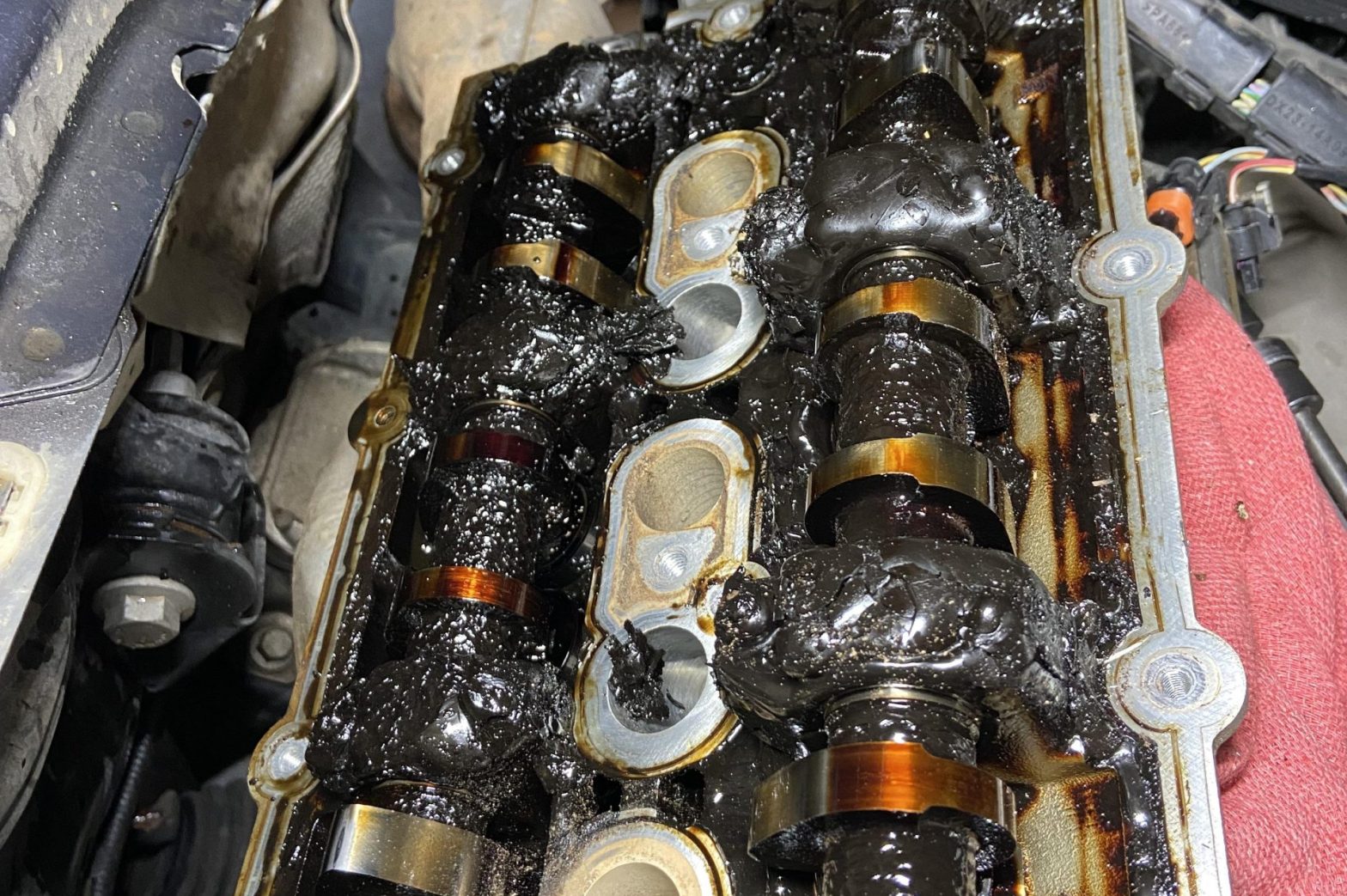
Regular maintenance, such as oil changes, is crucial for the proper functioning of your car’s engine components. If the timing chain is not well-lubricated due to old or insufficient oil, it can wear out faster and eventually break.
2. Tensioner Failure
The timing chain tensioner keeps the chain at the right tension to prevent it from skipping or breaking. If the tensioner fails, the chain may become loose and cause damage to the engine components, leading to breakage.
3. Overheating
High engine temperatures can affect the strength and integrity of the timing chain, leading to potential breakage. Overheating can be caused by various factors, such as a malfunctioning cooling system or driving in extreme weather conditions.
What Happens When a Timing Chain Breaks?
Now, let’s get to the heart of the matter – what actually happens when a timing chain breaks while you’re driving your car.
1. Engine Stalling
One of the most immediate effects of a timing chain breakage is that your engine may stall suddenly. Since the camshaft and crankshaft are no longer synchronized, the engine will lose power, and your car may come to a stop, leaving you stranded on the side of the road.
2. Valve and Piston Collision
When a timing chain breaks, the camshaft stops rotating, causing the engine’s valves to remain in their current position. If the pistons continue to move, they can collide with the valves, leading to severe damage to both components. This is known as a “valve-piston collision,” which can result in bent valves, damaged pistons, and possibly a damaged engine block.
3. Engine Damage
Aside from the potential valve-piston collision, a broken timing chain can cause other types of engine damage. The lack of synchronization between the camshaft and crankshaft can lead to the engine’s internal components working out of sequence, causing stress and wear on various parts. This can result in costly repairs or even the need for a new engine in some cases.
4. Loss of Power
Even if your engine doesn’t stall immediately after the timing chain breaks, you may notice a significant loss of power and performance. The engine will not be able to function properly without the correct timing, affecting acceleration, speed, and overall drivability of your car.
What to Do If Your Timing Chain Breaks
If you suspect that your timing chain has broken or if you experience any of the symptoms mentioned above, it’s essential to take immediate action to prevent further damage to your car’s engine.
1. Stop Driving
As soon as you notice any unusual noises or loss of power, safely pull over to the side of the road and turn off your engine. Continuing to drive with a broken timing chain can cause extensive damage to the engine, resulting in costly repairs.
2. Tow Your Car to a Mechanic
Since a timing chain breakage requires expert repairs, it’s best to have your car towed to a reputable mechanic or auto repair shop. A professional technician can inspect the extent of the damage and recommend the necessary repairs to get your car back on the road safely.
3. Consider Preventative Maintenance
To avoid the risk of timing chain breakage in the future, make sure to follow your car manufacturer’s recommended maintenance schedule. Regular oil changes, checking the timing chain tension, and keeping an eye on the engine’s temperature can help prolong the life of your timing chain and prevent unexpected breakdowns.
In conclusion, a timing chain breakage can have serious consequences for your car’s engine and overall safety. Understanding the causes and effects of a broken timing chain can help you take proactive steps to prevent such a scenario and ensure the longevity of your vehicle. Remember to stay vigilant for any warning signs of timing chain issues and address them promptly to avoid extensive damage and costly repairs.
Stay safe on the road, and always prioritize the maintenance and care of your car’s essential components like the timing chain!
What Happens When a Timing Chain BREAKS
Frequently Asked Questions
What are the consequences if a timing chain breaks?
When a timing chain breaks, it can lead to catastrophic engine damage. The engine’s pistons and valves may collide, causing bending or breaking of the valves. This results in extensive and expensive repairs to the engine.
How can I know if my timing chain is about to break?
There are warning signs that indicate a timing chain may be failing. These include engine misfires, rattling noises coming from the engine, metal shavings in the oil, and issues with engine performance or starting. If you notice any of these symptoms, it is crucial to get your vehicle inspected immediately.
What should I do if my timing chain breaks while driving?
If your timing chain breaks while driving, it is important to immediately pull over to a safe location and turn off the engine. Continuing to drive with a broken timing chain can cause severe engine damage. Have your vehicle towed to a professional mechanic to assess the extent of the damage and repair the timing chain.
Can a broken timing chain cause a car to completely stop running?
Yes, a broken timing chain can cause your vehicle to stop running altogether. The engine’s timing is crucial for proper operation, and if the timing chain breaks, the engine may cease to function. It is essential to address this issue promptly to avoid further damage to the engine.
Final Thoughts
If the timing chain breaks in your vehicle, it can result in catastrophic engine damage. When the timing chain fails, the engine’s valves and pistons can collide, causing irreparable harm. This can lead to significant repair costs or even the need for a full engine replacement. Regular maintenance and prompt repairs are crucial to prevent the disastrous consequences of a broken timing chain. Always pay attention to warning signs and address any issues promptly to avoid the potential dangers of a timing chain failure.