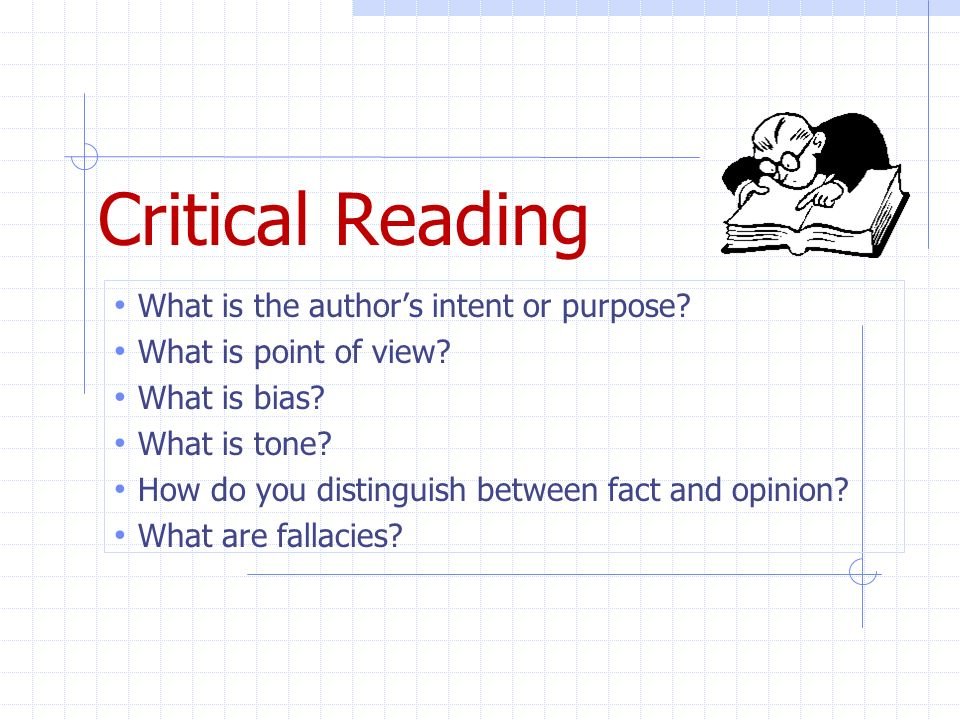
Critical tone is a powerful tool that enhances the impact of writing. It allows authors to analyze, evaluate, and question ideas or arguments. By adopting a critical tone, you can challenge assumptions, provoke thought, and push for deeper exploration of a topic. This style of writing demands clarity, precision, and confidence in your viewpoints. It is not about being negative or dismissive, but rather about engaging with content in a rigorous and insightful manner. Let’s delve deeper into what critical tone entails and how it can elevate your writing to new heights.

What is Critical Tone
Welcome to our blog post all about understanding critical tone! In this article, we will delve into what critical tone means, how it is used in various contexts, and why it is essential to be aware of it in communication. So, let’s get started!
Definition of Critical Tone
When we talk about critical tone, we are referring to the way in which someone expresses their opinions or feedback in a serious, thoughtful, and sometimes judgmental manner. Critical tone is not just about pointing out flaws or criticizing others; it also involves providing constructive feedback and analyzing situations critically.
Key Characteristics of Critical Tone
1. Objectivity
In critical tone, it is essential to maintain objectivity. This means looking at a situation or an issue from a neutral perspective, free from personal biases or emotions. Objectivity allows for a fair and balanced assessment, which is crucial in critical thinking.
2. Analytical Approach
Critical tone involves an analytical approach where one examines the information, arguments, or evidence presented and analyzes them logically. This approach helps in making informed judgments and drawing conclusions based on reasoning.
3. Evidence-Based Reasoning
Using evidence to support opinions or arguments is a key aspect of critical tone. It involves backing up claims with facts, data, or examples to strengthen the credibility of the critique or feedback provided.
4. Clarity and Precision
Communicating clearly and precisely is another characteristic of critical tone. Being clear in expressing ideas, opinions, or feedback helps ensure that the message is understood accurately and effectively.
Importance of Understanding Critical Tone
Developing an awareness of critical tone is crucial for effective communication in various settings, such as academic, professional, and social environments. Here are some reasons why understanding critical tone is important:
1. Enhances Critical Thinking Skills
Engaging with critical tone helps individuals improve their critical thinking skills by encouraging them to evaluate information, question assumptions, and make informed decisions based on evidence.
2. Promotes Constructive Feedback
Using critical tone allows for the delivery of constructive feedback that is aimed at helping others grow and improve. Constructive criticism provided in a thoughtful and respectful manner can lead to positive outcomes.
3. Encourages Reflection and Self-Improvement
Being on the receiving end of critical tone can prompt individuals to reflect on their actions, beliefs, or work and seek opportunities for self-improvement. It can be a valuable tool for personal and professional growth.
4. Fosters Effective Communication
Understanding critical tone enables individuals to communicate their ideas, opinions, and feedback effectively. It helps in conveying messages clearly, persuasively, and with the necessary depth and thoughtfulness.
What Is Critical Tone? – Literary Icons
Frequently Asked Questions
What does a critical tone signify in writing?
A critical tone in writing indicates an analytical approach where the author assesses, questions, and evaluates a subject, idea, or argument. It involves delving deeper into the underlying assumptions and implications to provide a balanced critique.
How can one effectively establish a critical tone in their writing?
To establish a critical tone in writing, it is essential to engage with the material thoughtfully, present logical reasoning, support claims with evidence, and acknowledge differing perspectives. Using clear language and structuring the arguments cohesively also enhance the effectiveness of a critical tone.
Why is it important to use a critical tone in academic writing?
Using a critical tone in academic writing demonstrates a higher level of intellectual engagement as it shows that the writer has evaluated the material thoroughly, considered multiple viewpoints, and can articulate a well-reasoned argument. This approach helps in presenting a more nuanced and persuasive analysis.
Final Thoughts
In conclusion, a critical tone is essential in effectively analyzing and evaluating a piece of work or situation. It involves objectively examining the strengths and weaknesses, offering constructive feedback, and encouraging critical thinking. Employing a critical tone helps to challenge assumptions, promote deeper understanding, and drive improvement. Mastering this approach allows for more insightful discussions, enhanced decision-making, and overall growth. Remember, embracing a critical tone can lead to valuable insights and progress in various aspects of life and work.