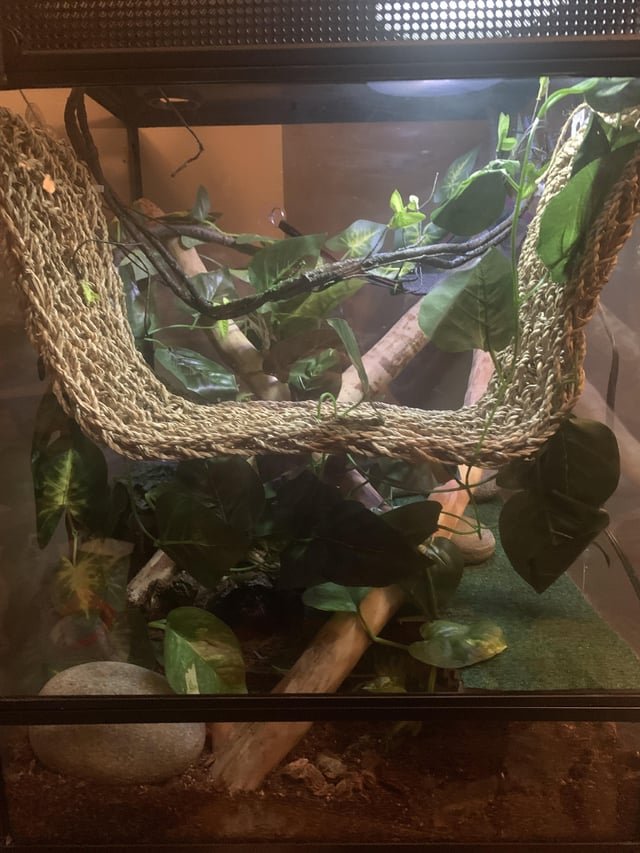
The ideal temperature for a crested gecko tank should be around 72-80°F during the day and can slightly drop to the mid-60s at night. Maintaining the right temperature is crucial for your gecko’s health and well-being. Fluctuations in temperature could affect their appetite, activity levels, and overall health. Providing a comfortable and stable temperature range mimics their natural habitat and helps them thrive in captivity. Let’s dive into the details of why the temperature is so important for your crested gecko’s tank environment.

What Temperature Should a Crested Gecko Tank Be
Introduction
Crested geckos are fascinating creatures that make excellent pets for reptile enthusiasts of all ages. One of the critical factors in keeping a crested gecko healthy and happy is maintaining the right temperature in their tank. In this article, we will delve into the importance of temperature regulation for crested geckos and explore the ideal temperature range for their habitat.
Understanding Crested Geckos
Before we discuss the optimal temperature for a crested gecko tank, let’s get to know these unique reptiles a little better. Crested geckos, also known as eyelash geckos, are nocturnal creatures native to New Caledonia, a group of islands in the southwest Pacific. These geckos are arboreal, meaning they spend most of their time climbing trees and other vertical surfaces. In captivity, they thrive in a setup that mimics their natural habitat.
Why Temperature is Important
Maintaining the correct temperature in a crested gecko tank is crucial for their overall health and well-being. Like all reptiles, crested geckos are ectothermic, which means they rely on external sources of heat to regulate their body temperature. A properly heated enclosure allows them to thermoregulate effectively, aiding in digestion, metabolism, and overall physiological functions.
Optimal Temperature Range
The optimal temperature range for a crested gecko tank is typically between 72°F and 80°F (22°C to 27°C) during the day. At night, the temperature can drop slightly, but it should not fall below 65°F (18°C). Maintaining a consistent temperature gradient within this range is essential to allow your gecko to move between warmer and cooler areas in their tank as needed.
Heating Methods
There are several ways to heat a crested gecko tank effectively. One common method is to use an under-tank heating pad or heat mat placed on one side of the enclosure. This provides a warm spot for your gecko to bask while also creating a thermal gradient within the tank. It’s important to use a thermostat with any heating device to prevent overheating and ensure a stable temperature.
Additional Heating Options
In addition to under-tank heating, you can supplement the heat in your crested gecko tank with overhead heat sources like ceramic heat emitters or infrared bulbs. These can be used to create a gentle warmth throughout the enclosure and mimic the natural heat provided by the sun. Just be sure to monitor the temperature regularly to avoid any sudden fluctuations.
Thermometers and Temperature Regulation
To ensure that the temperature in your crested gecko tank stays within the optimal range, it’s essential to use reliable thermometers. Place one thermometer near the heat source and another on the cool side of the tank to monitor the temperature gradient. Regularly check and adjust the heating elements as needed to maintain a consistent and comfortable environment for your gecko.
Signs of Incorrect Temperatures
Monitoring your crested gecko’s behavior and physical condition can also help you determine if the temperature in their tank is suitable. Signs of incorrect temperatures include your gecko spending excessive time in the warm or cool areas of the tank, lethargy, poor appetite, or signs of stress. If you notice any of these signs, double-check the temperature settings and make any necessary adjustments.
Consulting with a Vet
If you’re unsure about the temperature requirements for your crested gecko or if you notice persistent issues despite your best efforts, don’t hesitate to consult with a reptile veterinarian. A vet experienced with exotic pets can provide valuable insights and guidance on optimizing your gecko’s habitat conditions, including temperature regulation.
In conclusion, maintaining the right temperature in a crested gecko tank is vital for the health and well-being of these fascinating reptiles. By providing them with a carefully controlled thermal environment that mimics their natural habitat, you can support their physiological functions and overall happiness. Remember to monitor the temperature regularly, use appropriate heating equipment, and be attentive to any signs that may indicate temperature-related stress in your gecko. A well-regulated temperature not only keeps your crested gecko comfortable but also allows you to enjoy observing their active and vibrant nature in captivity.
Crested Gecko Care Guide 2025
Frequently Asked Questions
What is the ideal temperature range for a crested gecko tank?
The optimal temperature range for a crested gecko tank is typically between 72-80°F (22-27°C) during the day and can drop slightly at night to around 65-75°F (18-24°C). Maintaining these temperatures is crucial for the health and well-being of your crested gecko.
How can I regulate the temperature in my crested gecko tank?
You can regulate the temperature in your crested gecko tank by using a combination of a heat source and a thermostat. Heating pads, ceramic heat emitters, or heat bulbs can be used to create a warm environment, while a thermostat will help ensure the temperatures stay within the recommended range.
What should I do if the temperature in my crested gecko tank is too high?
If the temperature in your crested gecko tank is too high, you can try adjusting the placement of the heat source or using a lower wattage bulb. It’s important to monitor the temperature regularly and make necessary adjustments to maintain a comfortable and safe environment for your pet.
Why is it important to monitor the temperature in a crested gecko tank?
Monitoring the temperature in a crested gecko tank is vital because these reptiles are sensitive to temperature changes. Maintaining the correct temperature range helps support their metabolism, digestion, and overall well-being. Fluctuations in temperature can lead to stress and health issues for your crested gecko.
Final Thoughts
In conclusion, maintaining the right temperature in a crested gecko tank is crucial for their well-being. The ideal temperature for a crested gecko tank should be around 72-80°F during the day and can drop slightly at night. It’s essential to provide a gradient of temperatures within the tank to allow your gecko to regulate its body temperature effectively. Monitoring the temperature regularly and ensuring it falls within the recommended range is key to keeping your crested gecko healthy and happy. So, what temperature should a crested gecko tank be? Aim for 72-80°F for a comfortable and thriving environment.