Stored product pests can create serious problems for homes, warehouses, retail facilities, and food storage areas. Among the most common and damaging pests are cigarette beetles, which are known for infesting a wide range of stored products. Effective Eliminating Cigarette Beetles (除菸甲蟲) strategies are essential for protecting valuable goods, maintaining cleanliness, and preventing costly losses. Through proper inspection, treatment, and prevention measures, these pests can be controlled successfully and future infestations can be avoided.
What Are Cigarette Beetles?
Cigarette beetles are small insects that commonly infest stored products. Although they are often associated with tobacco products, they can also invade dried foods, spices, grains, pet food, decorative materials, and other organic items. Their ability to feed on a variety of materials makes them a persistent pest in both residential and commercial environments.
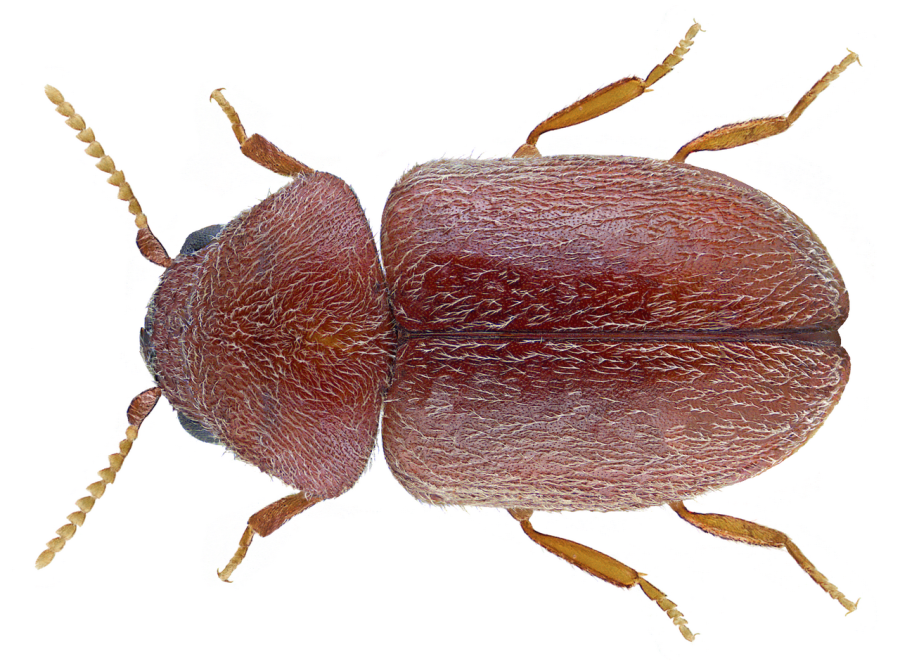
Adult beetles are small, light brown, and capable of flying, which allows them to spread quickly throughout a property. Their larvae are responsible for much of the damage, feeding on stored materials and contaminating products.
Why Are Cigarette Beetles a Serious Problem?
An infestation can result in significant product loss and contamination. Once cigarette beetles enter stored goods, they can reproduce rapidly and spread to nearby products. Damaged packaging, contaminated food items, and ruined inventory are common consequences of an untreated infestation.
For businesses that store food products or sensitive materials, the presence of cigarette beetles can also affect customer confidence and operational efficiency. Early intervention is important to minimize losses and maintain a clean storage environment.
How Can Cigarette Beetles Be Identified?
Detecting cigarette beetles early is one of the most effective ways to prevent widespread infestations. Property owners may notice small beetles flying near stored goods or crawling around shelves and storage areas. Tiny holes in packaging materials can also indicate beetle activity.
Larvae may be found inside infested products, often hidden from view. Because these pests can infest a wide variety of materials, thorough inspections of storage spaces are necessary whenever signs of activity are discovered.
What Are the Most Effective Treatment Methods?
Successful treatment begins with identifying and removing infested products. Any contaminated materials should be discarded to eliminate active breeding sites. Storage areas should then be cleaned thoroughly to remove food particles, debris, and hidden pests.
Professional treatment methods may include targeted applications designed to control beetles in affected areas. Monitoring devices and specialized control techniques can also help reduce populations and prevent the insects from spreading to other stored products.
Combining sanitation with professional treatment provides the most reliable results and helps ensure long-term control.
How Does Proper Storage Help Prevent Infestations?
Proper storage practices are essential for preventing cigarette beetle problems. Products should be kept in sealed containers that limit pest access. Storage areas should remain clean, dry, and organized to reduce attractive conditions for insects.
Regular inventory rotation can also help prevent products from remaining in storage long enough to become infested. By maintaining proper storage standards, property owners can significantly reduce the risk of pest activity.
Why Are Regular Inspections Important?
Routine inspections play a critical role in preventing large-scale infestations. Regular monitoring allows property owners to identify early signs of beetle activity before extensive contamination occurs.
Professional inspections can uncover hidden infestations that may not be visible during routine cleaning. Early detection makes treatment easier, more effective, and less expensive than dealing with a widespread infestation.
What Long-Term Prevention Strategies Work Best?
Long-term prevention focuses on maintaining sanitation, monitoring storage areas, and addressing potential entry points. Consistent cleaning schedules help eliminate food sources that attract pests. Sealing cracks and openings can reduce opportunities for beetles to enter a facility.
Preventative monitoring programs provide ongoing protection by identifying activity before infestations become severe. Combining these strategies creates a strong defense against future problems and helps protect valuable stored products.
Why Choose Professional Pest Management Services?
Professional pest management services offer the expertise and resources needed to handle cigarette beetle infestations effectively. Specialists can identify the source of the problem, implement targeted treatments, and recommend preventive measures tailored to specific storage environments.
Their experience helps ensure that infestations are addressed thoroughly, reducing the likelihood of recurring issues and protecting stored products from future damage.
Conclusion
Eliminating cigarette beetles requires a combination of proper identification, effective treatment, and ongoing prevention. These pests can cause significant damage to stored products if left untreated, making early action essential. Through regular inspections, proper storage practices, professional treatments, and preventive strategies, property owners can safeguard their products and maintain a clean, pest-free environment for the long term.