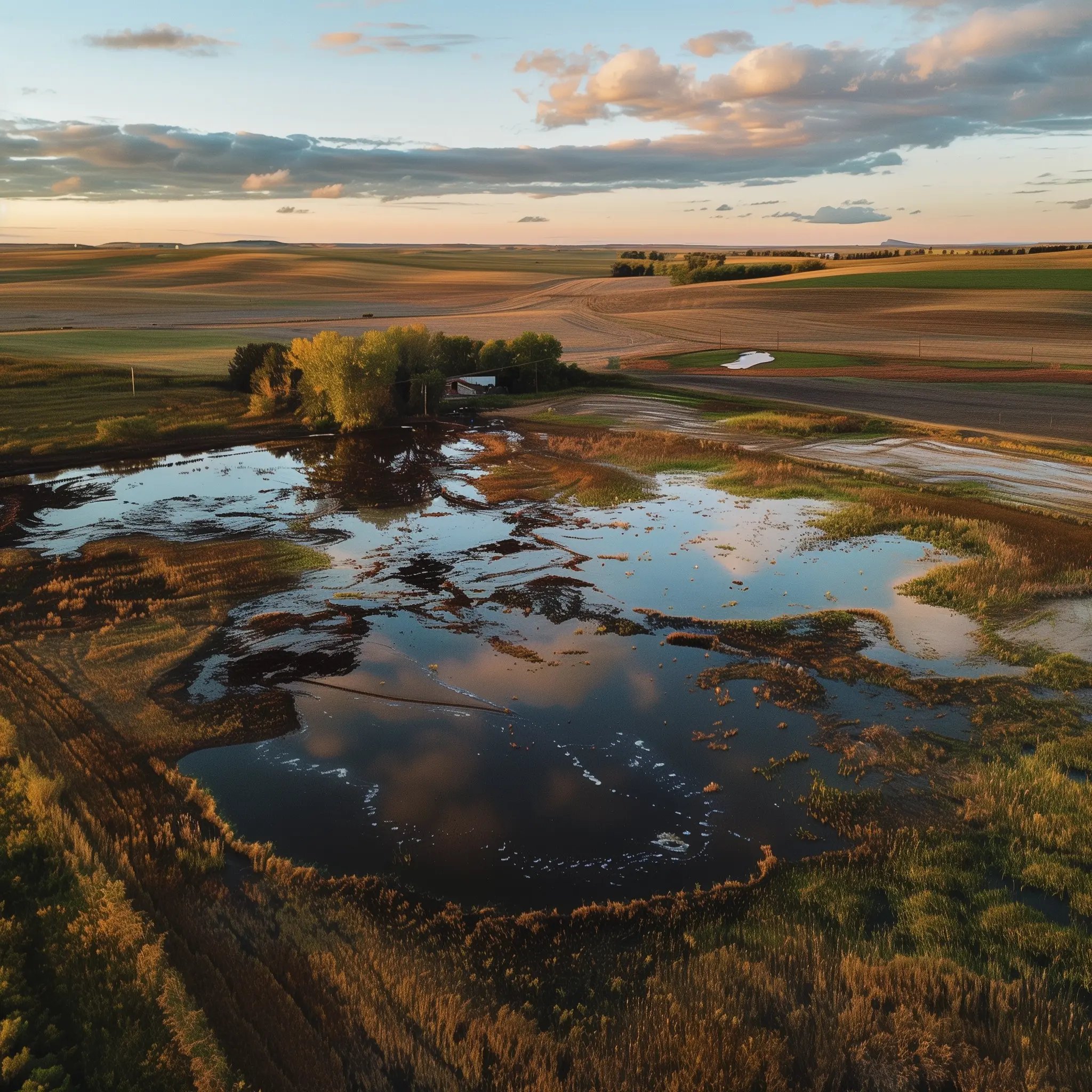
If you find oil on your land, prompt action is crucial. Understanding the steps to take can make a significant difference. Firstly, ensure safety by securing the area and contacting the necessary authorities. Then, consider the environmental impact and legal implications. Knowing what to do if you find oil on your land empowers you to handle the situation effectively and responsibly.

What to Do If You Find Oil on Your Land
Welcome, dear readers! So, you’ve found oil on your land, and you’re not sure what to do next? Don’t worry; I’m here to guide you through the steps you should take if you find yourself in this situation. It can be overwhelming to discover oil on your property, but with the right knowledge and actions, you can navigate this situation smoothly. Let’s dive in and explore what you should do if you find oil on your land.
Step 1: Identify the Source of the Oil
The first thing to do when you find oil on your land is to determine its source. Is the oil coming from a nearby pipeline, a leaking storage tank, or is it a natural seepage? Understanding where the oil is coming from will help you assess the situation better and plan your next steps accordingly.
Step 2: Assess the Extent of the Contamination
Once you’ve identified the source of the oil, it’s crucial to assess how far the contamination has spread. Look for signs of oil seepage in the soil, water bodies, or vegetation on your land. Understanding the extent of the contamination will help you gauge the potential impact and plan for cleanup measures.
Step 3: Contact the Authorities
When you find oil on your land, it’s essential to notify the appropriate authorities immediately. Contact your local environmental protection agency or a similar regulatory body to report the incident. They will provide you with guidance on how to proceed and may send experts to assess the situation.
Step 4: Prevent Further Spread of Contamination
While waiting for the authorities to arrive, take steps to prevent the further spread of oil contamination on your land. This may involve setting up barriers, containing the oil with absorbent materials, or diverting contaminated water away from sensitive areas. Acting swiftly can help minimize the environmental impact.
Step 5: Document the Incident
It’s crucial to document the discovery of oil on your land and the subsequent actions you take. Take photos or videos of the affected areas, keep a log of your communications with authorities, and make notes of any cleanup efforts you undertake. This documentation will be valuable for insurance claims and legal purposes.
Step 6: Clean Up the Contamination
Once you have received guidance from the authorities, it’s time to clean up the oil contamination on your land. Depending on the extent of the contamination, this may involve hiring professional cleanup services, using specialized equipment, and implementing remediation techniques to restore the affected areas.
Types of Cleanup Methods:
There are various methods for cleaning up oil contamination, such as bioremediation, chemical dispersants, and mechanical removal. The choice of cleanup method will depend on the type of oil, the extent of contamination, and the environmental conditions of your land.
Environmental Impact Assessment:
After cleanup, it’s essential to conduct an environmental impact assessment to evaluate the effectiveness of the remediation efforts. Monitoring the site for any lingering contamination and assessing the ecological impact will help ensure that your land is safe and healthy.
Step 7: Follow Up with Authorities
After the cleanup is complete, follow up with the authorities to inform them of the remediation efforts undertaken on your land. They may conduct inspections to verify the cleanliness of the site and provide you with a clean bill of health for your property.
Step 8: Take Preventative Measures
To prevent future incidents of oil contamination on your land, consider implementing preventative measures such as regular inspections of pipelines, proper maintenance of storage tanks, and installing containment measures to prevent oil spills from spreading. Being proactive can help safeguard your land and the environment.
Congratulations! You’ve successfully navigated the process of what to do if you find oil on your land. Remember, discovering oil on your property can be a daunting experience, but by following the steps outlined in this guide, you can effectively manage the situation and restore your land to its natural state. Stay informed, act responsibly, and protect your land for future generations to enjoy!
Thank you for reading, and best of luck with your oil land management journey!
How to Find Oil on Your Land
Frequently Asked Questions
What steps should I take if I discover oil on my land?
If you find oil on your land, it is important to take immediate action to prevent any potential environmental damage. First, you should contact the appropriate regulatory authorities to report the discovery. They will advise you on the necessary steps to take, which may include containing the spill, conducting an assessment, and initiating cleanup procedures.
Who should I contact if I find oil on my land?
If you discover oil on your land, it is crucial to contact your local environmental agency or regulatory authority immediately. They will be able to provide guidance on how to handle the situation, ensure compliance with regulations, and coordinate any necessary cleanup efforts.
What precautions should I consider if oil is present on my land?
When oil is found on your land, it is important to take precautions to minimize the potential risks and impacts. Avoid direct contact with the oil, especially if it is in liquid form, as it can be harmful to your health. Additionally, restrict access to the affected area to prevent further contamination and seek professional assistance for proper cleanup and remediation.
Final Thoughts
If you find oil on your land, take immediate action to prevent environmental harm. Contact local authorities and a licensed cleanup company to contain and remove the oil safely. Ensure no further contamination occurs on your property. Keep detailed records for insurance claims and legal purposes. Timely response is crucial when dealing with oil on your land. Swift and proper action is key in handling “what to do if you find oil on your land.”