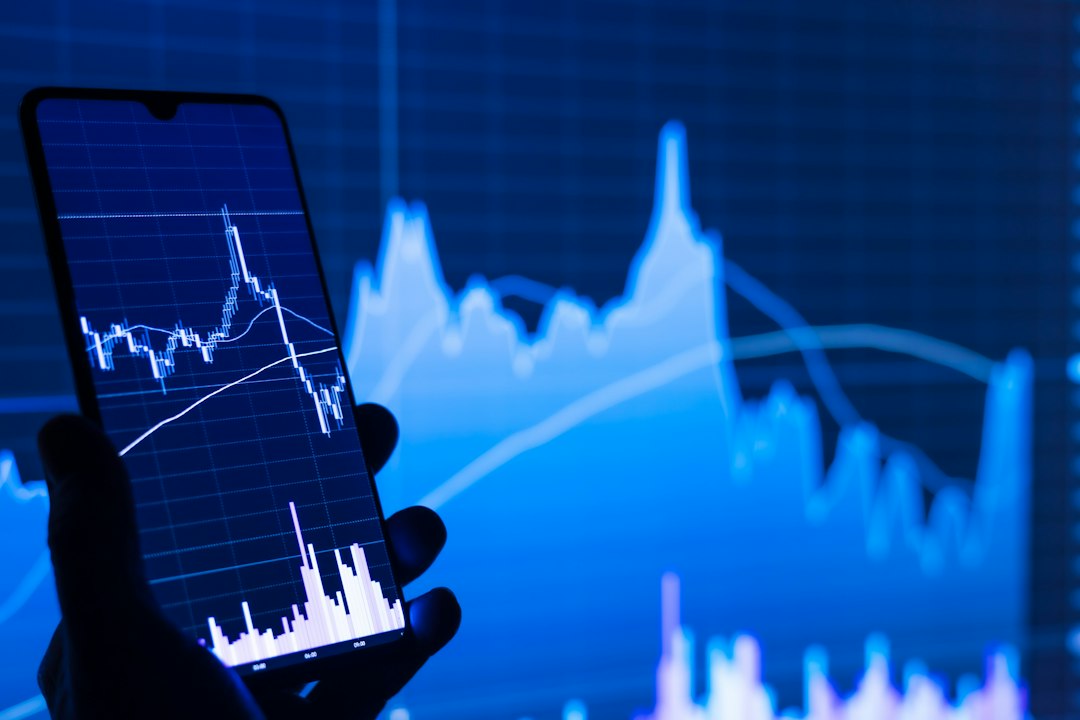
The modern currency market operates continuously across international financial centers, creating a constant demand for accessible market information. For mobile users, a professional forex trading app android environment can provide charts, market statistics, economic calendars, alerts, watchlists, and account information through a portable interface. As digital finance becomes increasingly mobile, the quality of these tools is measured not only by convenience but also by data presentation, technical reliability, security, and the ability to support an organized research process.
Table of Contents
- What Is a Data-Driven Approach to Forex Trading?
- Which Statistics Are Relevant to Currency Markets?
- How Do Charts Help With Market Observation?
- Why Are Different Timeframes Important?
- What Does an Economic Calendar Contribute?
- How Can Alerts Improve Market Monitoring?
- Why Is Historical Performance Data Useful?
- What Makes a Mobile Interface Professional?
- How Important Is Application Speed?
- What Security Features Should Mobile Traders Consider?
- How Does Risk Information Fit Into Mobile Trading?
- Can Mobile Technology Reduce Information Gaps?
- What Should Users Examine Before Selecting a Mobile Trading Tool?
- How Can Traders Organize a Mobile Research Routine?
- What Developments Could Shape Mobile Forex Technology?
- Final Observations on Android Forex Technology
What Is a Data-Driven Approach to Forex Trading?
A data-driven approach focuses on observable market information rather than decisions based solely on assumptions. Traders may review price history, volatility, economic developments, technical indicators, and market trends before forming their own analysis.
Mobile applications can make this information easier to access. Instead of depending on a single source, users can combine several forms of market data within their research routine.
The purpose of data is to provide context. No individual indicator or market statistic can fully describe currency behavior, so information should be evaluated as part of a broader analytical framework.
Which Statistics Are Relevant to Currency Markets?
Several types of statistics can be useful when examining currency markets. Historical price ranges can help identify periods of stronger or weaker movement. Volatility measures can provide context about changing market conditions. Trading-session information can also help users understand when particular currencies tend to experience increased activity.
Economic statistics are equally important. Inflation, employment, economic growth, interest-rate decisions, and trade information can influence expectations surrounding national currencies.
A mobile application that organizes these categories effectively can help traders conduct research in a more structured manner.
How Do Charts Help With Market Observation?
Charts convert large quantities of price information into visual formats. Traders can use them to observe trends, consolidation areas, reversals, and other historical patterns.
Interactive mobile charts should provide multiple timeframes and allow users to move through historical information smoothly. Additional functions may include drawing tools, indicator overlays, and customizable layouts.
Chart design should remain clear. Too many visual elements can make interpretation difficult, while a very basic interface may not provide enough analytical flexibility.
Why Are Different Timeframes Important?
Different timeframes can reveal different aspects of market behavior. A shorter view may show immediate fluctuations, while longer views can provide broader context.
Reviewing multiple timeframes may help traders distinguish temporary movements from more established trends. This is particularly useful when a currency pair appears to behave differently depending on the observation period.
A professional mobile platform should make switching between timeframes simple. The ability to compare perspectives can improve the organization of technical research.
What Does an Economic Calendar Contribute?
An economic calendar gives traders an organized view of scheduled financial and economic events. Central bank announcements, inflation releases, employment reports, and other macroeconomic developments can influence currency expectations.
Calendar tools can help users plan their research around significant events. They can also encourage traders to recognize when normal market conditions may change because of scheduled announcements.
The information should be treated as a research reference. Forecasts and market expectations can change, while actual releases may differ from earlier estimates.
How Can Alerts Improve Market Monitoring?
Alerts are useful when traders want to monitor specific conditions without watching charts continuously. Notifications may relate to selected price levels, market movements, or economic events.
A well-designed alert system should provide control over what information is delivered. Users should be able to select relevant instruments and conditions rather than receiving unnecessary notifications.
This can make mobile monitoring more efficient. Alerts work best as part of an established research plan rather than as a substitute for analysis.
Why Is Historical Performance Data Useful?
Historical records allow traders to examine what happened under previous market conditions. This information can support strategy reviews and help identify recurring patterns.
Users may examine previous trades, market movements, and decision points to understand how their process performed. A trading journal can complement application data by recording the reasoning behind individual decisions.
Reviewing historical information also encourages consistency. Instead of focusing exclusively on the latest market movement, traders can evaluate their broader process over time.
What Makes a Mobile Interface Professional?
Professional design is about more than appearance. Navigation should be logical, charts should remain readable, and important account functions should be easy to locate.
Mobile screens provide less space than desktop monitors, so information hierarchy becomes especially important. Frequently used controls should remain accessible without overwhelming the main workspace.
Responsive design is another key consideration. Applications should adapt effectively to different Android screen sizes and orientations where supported.
How Important Is Application Speed?
Speed influences how efficiently traders can move between information sources. Slow chart loading, delayed navigation, or repeated technical interruptions can make research unnecessarily difficult.
A reliable application should handle common tasks smoothly while communicating clearly if a technical issue occurs.
Performance can also depend on the user’s device and network. Keeping the operating system and application updated may help maintain compatibility and access to current features.
What Security Features Should Mobile Traders Consider?
Security should remain a central consideration when using any financial application. Secure authentication, encrypted communication, session controls, and appropriate account protections can help safeguard sensitive information.
Users should also maintain good personal security practices. Devices should be protected with secure access controls, application downloads should come from trusted sources, and login information should never be shared casually.
Multi-factor authentication can provide an additional layer of account protection when available.
How Does Risk Information Fit Into Mobile Trading?
Risk management is an essential part of responsible market participation. Mobile platforms may provide tools that allow users to review positions, monitor exposure, examine trading history, and organize order conditions.
These features can make risk information more visible throughout the trading process.
However, the presence of a risk-management tool does not remove the need for individual judgment. Traders remain responsible for understanding the conditions attached to their own decisions and for using available controls appropriately.
Can Mobile Technology Reduce Information Gaps?
Mobile technology can improve access to financial information by making research tools available in more locations. Traders can review economic calendars, monitor watchlists, and examine charts without being tied to a particular workstation.
This accessibility can be useful for maintaining awareness of market developments. It also means users can organize research around their own schedules.
However, constant access does not necessarily mean that continuous trading activity is appropriate. A structured routine remains important.
What Should Users Examine Before Selecting a Mobile Trading Tool?
Users can evaluate several practical areas before choosing an application. These include supported Android devices, chart functionality, available market information, alert controls, historical data, account-management tools, security features, and overall navigation.
Data quality should receive particular attention. Market information is most useful when it is timely, clearly presented, and supported by transparent functionality.
Users should also review application permissions and privacy information before installation. Understanding how an application handles data is part of responsible technology use.
How Can Traders Organize a Mobile Research Routine?
A structured routine may begin with a review of scheduled economic events. Traders can then examine selected currency pairs, compare different timeframes, review relevant technical indicators, and monitor conditions through customized watchlists.
After market activity, historical records can be reviewed to evaluate decisions and identify areas for future study.
The objective is consistency. Mobile technology is most useful when it supports a repeatable process rather than encouraging impulsive reactions to every market movement.
What Developments Could Shape Mobile Forex Technology?
Future mobile trading environments may become more personalized through advanced analytics, automated data organization, intelligent alerts, and improved visualization. Cloud-based systems may also allow information and settings to remain synchronized across supported devices.
Artificial intelligence may contribute to data classification and research assistance, although users will still need to evaluate automated outputs carefully.
The continuing development of mobile technology suggests that traders will have access to increasingly sophisticated analytical environments. Security, transparency, and data quality will remain important as these capabilities expand.
Final Observations on Android Forex Technology
Android trading technology has created a flexible environment for monitoring currency markets and organizing financial research. Charts, statistics, economic calendars, alerts, watchlists, historical records, and account tools can work together to support a comprehensive mobile workflow.
The most meaningful benefit comes from using these features systematically. Reliable technology can improve access to information, but successful market analysis still depends on research, discipline, risk awareness, and individual decision-making.
As mobile finance continues to evolve, traders can expect greater integration between market data, analytical tools, and personalized monitoring. The foundation remains the same: clear information, dependable technology, secure access, and a structured approach to understanding currency markets.
Key Points
- The modern currency market operates continuously, creating a need for accessible market information for mobile users.
- A data-driven approach to forex trading relies on observable market information, such as price history and economic developments, rather than assumptions.
- Charts provide traders with visual representations of price information, helping them identify trends and patterns in the market.
- An economic calendar organizes scheduled financial and economic events, allowing traders to align their research with significant market influences.
- Alerts enable traders to monitor specific conditions efficiently without the need to constantly observe charts, improving their research process.