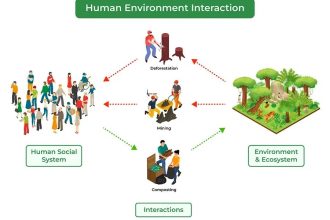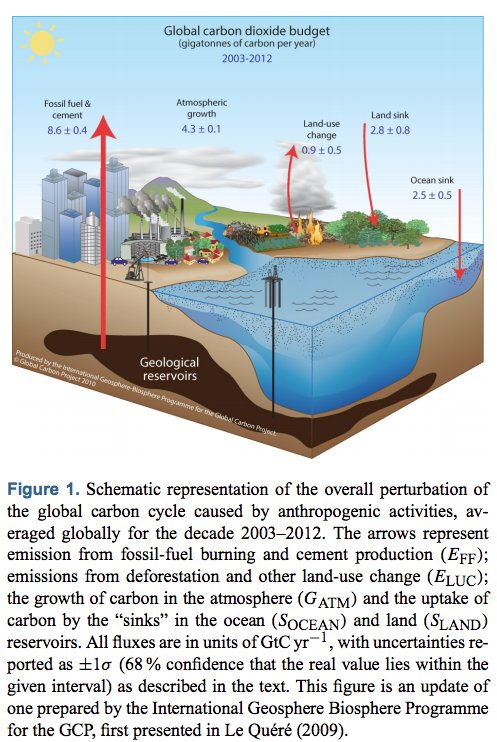
The anthroposphere is the realm shaped by human activity. It encompasses the built environment, technologies, and cultural systems we have created. This human-dominated sphere intertwines with the biosphere, influencing ecosystems and biodiversity. Understanding the anthroposphere is crucial for addressing environmental challenges and promoting sustainable practices. Let’s delve into this interconnected web of human influence and explore its impact on our planet.

Exploring the Anthroposphere: Understanding Our Human Impact on Earth
Welcome, young minds, to a fascinating journey into the world of the anthroposphere! Today, we will uncover what the anthroposphere is and how our actions as humans are shaping the environment around us. Are you ready to dive into this exciting topic? Let’s get started!
What is the Anthroposphere?
Imagine a world where humans and nature coexist, where our actions and creations have a profound impact on the planet we call home. This interconnected system of human influence on the Earth’s environment is known as the anthroposphere.
The anthroposphere encompasses all the elements created, modified, or affected by human activities. It includes our cities, buildings, transportation networks, waste products, and more. In simple terms, the anthroposphere is the realm where human civilization interacts with the natural world, leaving a lasting footprint on the Earth.
The Three Spheres of the Earth
Before we delve deeper into the anthroposphere, let’s first understand the concept of Earth’s spheres. Our planet can be divided into three main spheres: the lithosphere (land), hydrosphere (water), and atmosphere (air). These spheres interact with each other and support life on Earth.
Now, the anthroposphere is like a fourth layer that intertwines with the other spheres. It is where human activities intersect with the natural environment, creating a complex web of relationships and consequences.
Humans and the Anthroposphere
As inhabitants of this planet, we play a crucial role in shaping the anthroposphere. Our daily actions, from driving cars to using plastic products, contribute to the changes in our environment. It’s important to understand that every choice we make has an impact, whether big or small, on the anthroposphere.
Throughout history, humans have transformed the landscape, built cities, and developed technologies that have altered the Earth’s natural systems. While these advancements have brought progress and convenience, they have also led to challenges such as pollution, deforestation, and climate change.
The Impact of Human Activities
Let’s take a closer look at some key areas where human activities have a significant impact on the anthroposphere:
1. Urbanization
The rapid growth of cities and urban areas is a hallmark of the anthroposphere. As more people move to urban centers, the demand for resources and infrastructure increases. This leads to land conversion, energy consumption, and waste generation, affecting the environment and ecosystems.
2. Industrialization
Industrial activities, such as manufacturing and energy production, are major contributors to the anthroposphere. These processes release pollutants into the air, water, and soil, leading to environmental degradation and health risks for both humans and wildlife.
3. Agriculture
Agriculture plays a vital role in the anthroposphere, providing food and resources for the growing population. However, intensive farming practices can lead to soil erosion, water pollution, and loss of biodiversity. Sustainable farming methods are key to minimizing the negative impact on the environment.
Challenges and Solutions
Now that we understand the anthroposphere and its impact, it’s essential to address the challenges we face and explore potential solutions for a more sustainable future.
1. Sustainable Development
By promoting sustainable practices in areas such as energy, transportation, and waste management, we can reduce our ecological footprint and preserve the health of the anthroposphere. This includes investing in renewable energy sources, promoting public transportation, and recycling materials to minimize waste.
2. Conservation Efforts
Protecting natural habitats and biodiversity is essential for maintaining the balance of the anthroposphere. Conservation efforts, such as establishing protected areas and wildlife sanctuaries, help preserve ecosystems and species that are vital to the health of our planet.
3. Education and Awareness
Increasing public awareness about the anthroposphere and our role in shaping it is crucial for fostering sustainable behavior. Education programs, community initiatives, and advocacy campaigns can empower individuals to make informed choices that benefit the environment and future generations.
Young explorers, we have journeyed through the anthroposphere and gained a deeper understanding of how human activities impact the Earth. Remember, each one of us has the power to make a difference and protect the environment for generations to come. Let’s continue our exploration of the world around us and strive to create a harmonious balance between humans and nature in the anthroposphere!
Thank you for joining me on this enlightening adventure. Until next time, keep exploring and learning about the wonders of our planet!
Ecosphere-Anthroposphere on Vimeo
Frequently Asked Questions
What does the term “anthroposphere” refer to?
The term “anthroposphere” refers to the part of the Earth’s environment that is directly influenced by human activity. It encompasses human-made structures, urban areas, industrial sites, and other human-altered landscapes.
How does the anthroposphere differ from the biosphere and lithosphere?
The anthroposphere differs from the biosphere and lithosphere in that it specifically focuses on the human-built environment and the impact of human activities on the Earth’s surface. While the biosphere refers to all living organisms and the lithosphere to the solid outer layer of the Earth, the anthroposphere is unique to human presence.
What are some examples of components within the anthroposphere?
Components within the anthroposphere include cities, roads, buildings, bridges, dams, farms, factories, and other man-made structures. It also includes infrastructure such as transportation networks, communication systems, and waste management facilities.
How does human activity influence the anthroposphere?
Human activity influences the anthroposphere through urbanization, industrialization, agriculture, and infrastructure development. These activities result in changes to the landscape, air, water, and soil quality within the anthroposphere, affecting both the environment and human well-being.
Final Thoughts
The anthroposphere refers to the human-made environment encompassing cities, infrastructure, and technology. It reflects our impact on the natural world. Understanding the anthroposphere is crucial for addressing environmental challenges. By recognizing our role in shaping this sphere, we can work towards sustainable living practices. Embracing the concept of the anthroposphere fosters a more holistic approach to environmental stewardship.