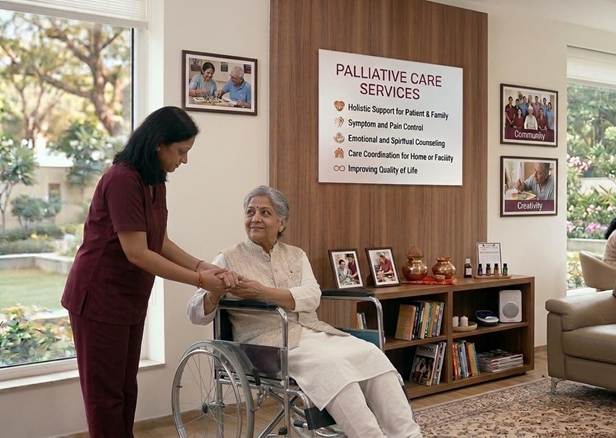
India’s healthcare system has made remarkable progress over the last two decades. Access to advanced treatments, specialized hospitals, and medical technology has improved significantly. Yet, there is a critical gap that continues to be overlooked—the need for a structured and accessible palliative care ecosystem.
While much of healthcare focuses on cure and recovery, millions of patients in India live with chronic, life-limiting conditions where cure is not always possible. For them, the priority shifts from treatment to comfort, from survival to quality of life. This is where pain and palliative care becomes essential.
However, access to such care in India remains extremely limited, leaving patients and families to navigate complex medical and emotional challenges on their own.
The Growing Burden of Chronic Illness in India
India is witnessing a steady rise in chronic diseases such as cancer, cardiovascular conditions, neurological disorders, and age-related illnesses. With increasing life expectancy and changing lifestyles, the number of people requiring long-term care is growing rapidly.
Unlike acute conditions, chronic illnesses often require continuous symptom management rather than short-term treatment. Patients may experience persistent pain, fatigue, breathlessness, or loss of mobility. These challenges affect not just physical health but also emotional and psychological well-being.
In such scenarios, palliative care plays a critical role by focusing on symptom relief, emotional support, and overall quality of life. Yet, despite the growing need, access to pain and palliative care remains fragmented and inconsistent across the country.
Limited Access to Palliative Care in India
One of the biggest challenges India faces is the lack of widespread access to palliative care services. A large percentage of patients who need care do not receive it in a structured or timely manner.
This gap exists due to several factors:
- Low awareness among families and even healthcare providers
- Limited availability of trained professionals
- Lack of integration within mainstream healthcare
- Absence of standardized care models
As a result, many patients continue to rely heavily on hospital-based care, even when their needs are more long-term and supportive in nature. This leads to repeated hospital visits, higher costs, and increased stress for families.
The lack of a strong pain and palliative care ecosystem means that care is often reactive rather than proactive.
Global Perspective: What India Can Learn
Globally, many countries have recognized the importance of integrating palliative care into their healthcare systems. Nations across Europe, North America, and parts of Asia have developed structured models that combine hospital care, community-based support, and residential care environments.
For example, countries with strong healthcare systems have:
- Early integration of pain and palliative care into treatment plans
- Dedicated training programs for healthcare professionals
- Community and home-based care networks
- Residential setups for long-term support
The concept of hospice care and palliative care is well established in these regions, allowing patients to receive continuous and coordinated support across different stages of illness.
In comparison, India is still in the early stages of building such an ecosystem. While awareness is growing, there is a need for more structured and scalable solutions.
The Need for a Structured Palliative Care Ecosystem
To address this gap, India needs to move towards a more integrated approach to palliative care. This involves building a system that goes beyond hospitals and includes multiple layers of support.
A strong ecosystem should include:
- Hospital-based care for acute needs
- Community and home-based care for ongoing support
- Residential environments for long-term care
This is where professionally managed setups like Care Home, Old age Homes, and assisted living environments play an important role. These terms are often used interchangeably in the context of premium senior care spaces, and they represent structured environments where medical support and daily living come together.
Such setups enable consistent delivery of pain and palliative care, ensuring that patients receive continuous monitoring, trained support, and timely intervention when needed.
Why Residential Care Is Becoming Important
As family structures evolve and urban lifestyles become more demanding, the ability to provide continuous care at home is becoming increasingly difficult. Nuclear families, working professionals, and geographic distance (especially in the case of NRIs) add to the challenge.
In this context, structured residential environments offer a practical and effective solution. A well-managed Care Home or premium assisted living setup ensures that palliative care is not limited to occasional visits but is available round the clock.
Unlike traditional perceptions of Old age Homes, modern setups are designed to provide a combination of comfort, safety, and clinical support. This shift reflects a broader change in how society views long-term care.
Bridging the Awareness Gap
Another critical challenge is awareness. Many families still associate palliative care with the final stage of life or believe it means giving up on treatment. This misconception delays access to care that could significantly improve patient comfort.
There is a need for:
- Public awareness campaigns
- Better communication by healthcare providers
- Inclusion of pain and palliative care in medical education
Understanding the role of hospice care and palliative care can help families make informed decisions and seek support at the right time.
Building Capacity: Training and Standardization
A strong ecosystem also requires investment in training and standardization. Healthcare professionals need to be equipped with the skills required to deliver effective palliative care.
This includes:
- Symptom management expertise
- Communication and counseling skills
- Understanding of geriatric and chronic care needs
Standardized protocols and operating procedures are equally important to ensure consistency and quality across different care settings. Without this, the delivery of pain and palliative care can vary widely.
The Way Forward
India stands at a crucial point where the demand for long-term care is rising rapidly. Building a strong palliative care ecosystem is no longer optional—it is a necessity.
The focus must shift from isolated care delivery to an integrated model that combines hospitals, community support, and structured residential environments. Strengthening pain and palliative care services will not only improve patient outcomes but also reduce the overall burden on the healthcare system.
At its core, healthcare is not just about extending life, but about improving how it is lived. By investing in a more structured and accessible ecosystem, India can ensure that patients receive the comfort, dignity, and support they truly deserve.
Conclusion
The need for palliative care in India is clear. Rising chronic illness, changing family structures, and increasing life expectancy are all driving demand for better long-term care solutions.
Learning from global models and adapting them to local needs can help bridge the existing gap.
Whether through hospitals, community support, or structured environments like Care Home, Old age Homes, and assisted living, the goal should remain the same—delivering consistent and compassionate pain and palliative care.
Because in the end, the true measure of a healthcare system is not just how it treats disease, but how it cares for people when they need it the most.