A fragmented state is a term that holds within it a complexity akin to a jigsaw puzzle missing crucial pieces. This political entity stands divided, not just geographically but also politically, culturally, or economically. Like a fractured mirror reflecting different realities, a fragmented state embodies internal dissension, challenging unity and governance. Nations grappling with this state often face intricate challenges that require adept strategies for cohesion and stability. To truly understand the dynamics at play, let’s delve deeper into the nuanced layers of what constitutes a fragmented state.

Exploring the Concept of a Fragmented State
Welcome, young scholars, to an exciting journey into understanding the intriguing world of politics and geography. Today, we will embark on an exploration of a concept called “fragmented state.” Imagine a puzzle piece that is broken into several small parts; this analogy will help us grasp the essence of what a fragmented state is all about.
What is a Fragmented State?
A fragmented state is a unique term used in political geography to describe a country or region that is physically separated by another country or countries. It can also refer to a nation or state that consists of multiple pieces of territory that are not directly connected. These pieces may be located far apart, making governance and unity a challenging feat.
Examples of Fragmented States
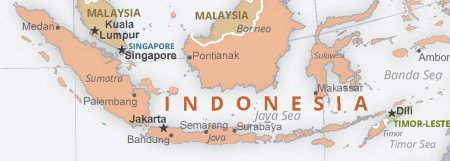
One classic example of a fragmented state is the country of Indonesia, which is made up of more than 17,000 islands scattered across the vast archipelago of Southeast Asia. Another well-known fragmented state is the United States, with Alaska being physically separated from the contiguous 48 states.
Now that we have a basic understanding of what a fragmented state is, let’s dive deeper into the implications and challenges faced by such nations.
Challenges Faced by Fragmented States
Fragmented states encounter a myriad of challenges due to their unique geographical makeup. One significant issue is the difficulty in maintaining effective governance and unity across their territories. Imagine trying to coordinate infrastructure development, law enforcement, and public services when parts of your country are separated by vast distances or foreign territories.
Geopolitical Tensions
Geopolitical tensions often arise in fragmented states, especially when border disputes with neighboring countries come into play. The fragmented nature of their territories can make it challenging to assert control over all regions, leading to conflicts over resources, land, and sovereignty.
Cultural and Ethnic Divides
Another common challenge faced by fragmented states is the presence of cultural and ethnic divides between different regions. These divides can be exacerbated by the physical separation of territories, leading to feelings of isolation, discrimination, and even separatist movements.
Economic Implications
From an economic perspective, fragmented states may struggle to achieve economic development and prosperity. The lack of connectivity between regions can hinder trade, infrastructure development, and the efficient movement of goods and services, thus impeding overall growth and stability.
Strategies for Navigating Fragmentation
Despite the challenges posed by fragmentation, many states have devised innovative strategies to overcome these obstacles and promote unity and cohesion among their disparate territories.
Infrastructure Development
Investing in infrastructure projects such as roads, bridges, and transportation networks can help connect fragmented regions and facilitate the movement of people and goods. This not only boosts economic activity but also fosters a sense of unity among diverse populations.
Political Integration
Promoting political integration through decentralization or federal systems of governance can empower regions within a fragmented state to have more autonomy while still upholding national unity. By respecting the unique cultural identities of different regions, states can foster inclusivity and cooperation.
Diplomatic Relations
Establishing strong diplomatic relations with neighboring countries is crucial for fragmented states to navigate geopolitical challenges and resolve border disputes amicably. Through diplomacy and dialogue, nations can build trust and cooperation, reducing the likelihood of conflict.
In conclusion, the concept of a fragmented state presents us with a fascinating glimpse into the complexities of governance, geography, and unity. As we have learned, fragmented states face unique challenges that require innovative solutions and cooperation among diverse populations. By understanding and addressing these challenges, fragmented states can strive towards building a more connected, cohesive, and prosperous future for their nations.
Thank you for joining me on this educational exploration of what it means to be a fragmented state. Remember, just like a puzzle, every piece, no matter how small or distant, plays a crucial role in creating a complete and harmonious picture of a nation.
Fragmented States Advantages Disadvantages and Examples
Frequently Asked Questions
What is a fragmented state?
A fragmented state is a political entity that is geographically separated into different parts, which may be controlled by different factions or governments. This division can occur due to various reasons, such as ethnic or cultural differences, historical conflicts, or external interventions.
How does fragmentation impact governance in a state?
Fragmentation can significantly impact governance in a state by leading to challenges in coordinating policies, enforcing laws uniformly, and providing services to all parts of the territory. It can result in power struggles, disparities in development, and hindered economic growth.
What are some examples of fragmented states?
Examples of fragmented states include countries like Somalia, where different regions are controlled by separate groups or authorities; Bosnia and Herzegovina, which has distinct entities with varying degrees of autonomy; and the Democratic Republic of the Congo, characterized by internal conflicts and rebel control in certain areas.
Final Thoughts
In conclusion, a fragmented state is characterized by internal divisions, often along ethnic, religious, or cultural lines. This can lead to political instability, hindered economic development, and potential conflict. Fragmented states struggle to maintain authority over their territory and may experience challenges in providing basic services to their citizens. Understanding what a fragmented state is crucial in addressing the root causes of division and working towards sustainable solutions.