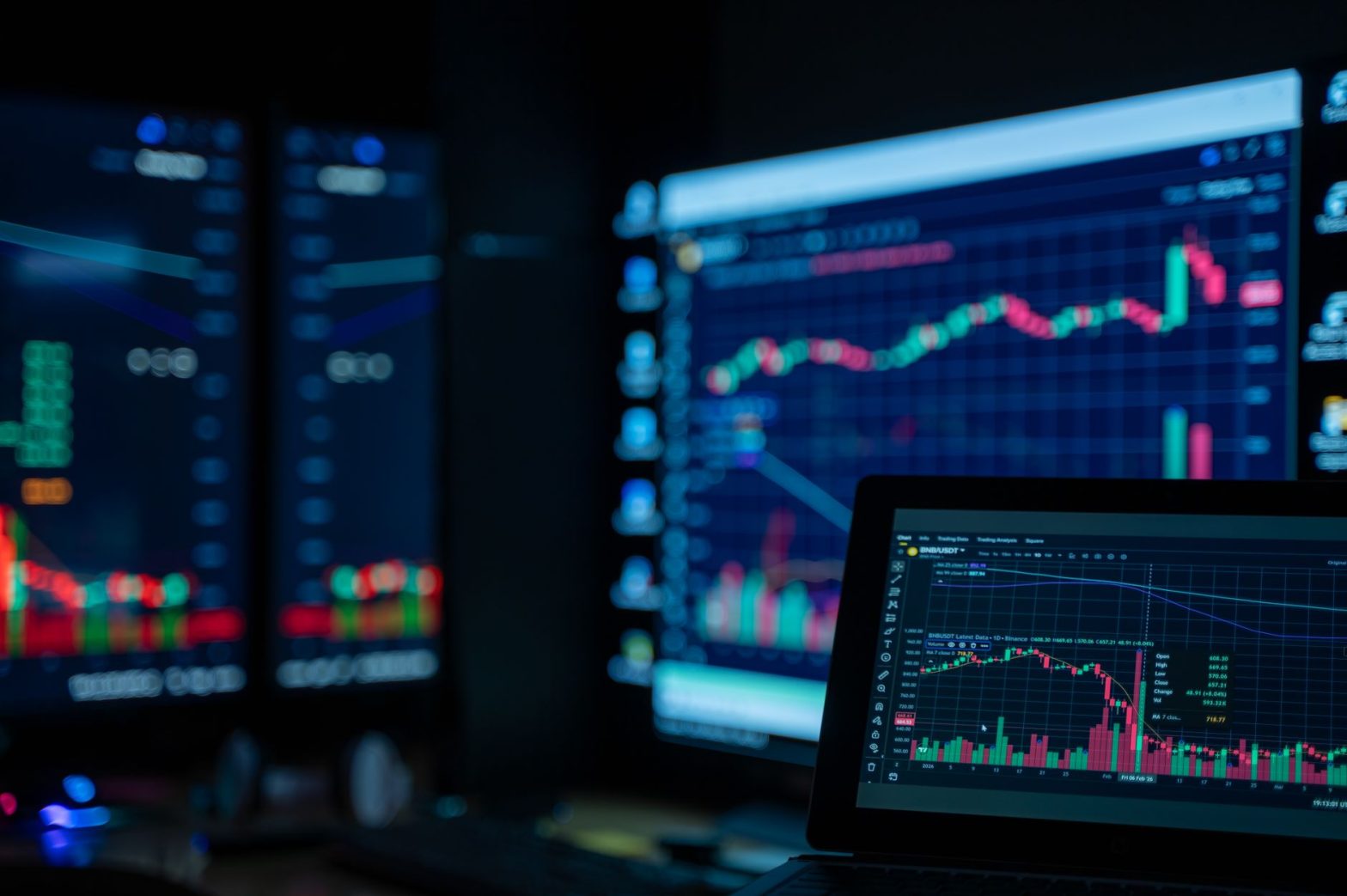
The forex market, commonly known as Forex or FX, is the largest and most liquid financial market in the world. It operates 24 hours a day, five days a week, facilitating the exchange of currencies between countries and institutions. For traders, understanding the movements and trends in this market is crucial to making informed decisions and maximizing returns. Forex trading is influenced by a combination of economic, political, and psychological factors, making market insights an essential tool for both beginners and experienced traders.
Understanding Currency Movements
Currency movements in the Forex market are driven by supply and demand dynamics. When a currency is in high demand, its value rises relative to other currencies, while lower demand results in depreciation. Several key factors influence these movements:
- Economic Indicators
Economic indicators, such as GDP growth, unemployment rates, inflation, and consumer spending, provide insights into the economic health of a country. Strong economic data typically strengthens a nation’s currency, while weak data can lead to depreciation. For instance, if a country reports higher-than-expected GDP growth, investors may anticipate higher interest rates, increasing demand for that currency. - Interest Rates
Central banks play a pivotal role in currency valuation through interest rate policies. Higher interest rates attract foreign investment, boosting currency value, while lower rates tend to reduce demand. Traders closely monitor decisions by central banks such as the Federal Reserve, European Central Bank, and Bank of England to anticipate market reactions. - Political Stability and Geopolitical Events
Political events, elections, and geopolitical tensions can create uncertainty in the Forex market. Traders often respond to such events with risk-averse strategies, moving capital into safe-haven currencies like the US dollar, Swiss franc, or Japanese yen. Political instability can lead to sharp and sometimes unpredictable currency movements. - Market Sentiment and Speculation
Market sentiment, driven by investor perceptions and speculation, also impacts currency movements. Traders analyze market psychology, news, and trends to anticipate potential currency shifts. Positive sentiment toward a currency can create upward momentum, while negative sentiment can trigger sell-offs.
Types of Forex Trends
Understanding trends is vital for successful Forex trading. Trends indicate the general direction in which a currency pair is moving over a specific period. There are three primary types of trends:
- Uptrend
An uptrend occurs when currency prices consistently make higher highs and higher lows. Traders look for buying opportunities in such markets, aiming to profit from rising prices. Technical indicators such as moving averages and trendlines can help identify uptrends. - Downtrend
A downtrend is characterized by lower lows and lower highs, signaling a decline in currency value. In these scenarios, traders may consider selling positions or employing hedging strategies to mitigate losses. Understanding downtrends helps traders avoid entering long positions prematurely. - Sideways or Range-Bound Trend
When a currency pair trades within a defined range without a clear upward or downward movement, it is in a sideways trend. Traders often utilize range trading strategies, buying at support levels and selling at resistance levels until a breakout occurs. Recognizing these phases is essential to avoid false signals.
Technical Analysis in Forex Trading
Technical analysis is a method used to evaluate currency movements based on historical price data, charts, and patterns. Traders use various tools to predict future trends and identify entry and exit points:
- Charts and Candlestick Patterns
Charts provide a visual representation of price movements over time. Candlestick patterns, such as doji, hammer, and engulfing patterns, help traders gauge market sentiment and potential reversals. - Moving Averages
Moving averages smooth out price data to highlight trends and trends reversals. Simple moving averages (SMA) and exponential moving averages (EMA) are commonly used to identify support and resistance levels. - Relative Strength Index (RSI)
RSI is a momentum oscillator that measures the speed and change of price movements. It helps traders identify overbought or oversold conditions, which may indicate potential trend reversals. - Support and Resistance Levels
Support levels indicate where a currency price tends to stop falling, while resistance levels show where prices struggle to rise. Identifying these levels is crucial for planning trades and setting stop-loss orders.
Fundamental Analysis in Forex Trading
Fundamental analysis evaluates a currency’s value based on underlying economic, financial, and political factors. This approach helps traders understand long-term trends and make strategic decisions:
- Economic Reports
Key economic reports, including employment data, inflation rates, trade balances, and manufacturing indexes, influence currency valuations. Traders track these reports to anticipate potential market movements. - Central Bank Policies
Interest rate changes, quantitative easing programs, and monetary policy statements from central banks directly affect currency strength. Understanding central bank intentions allows traders to forecast currency trends more accurately. - Global Events
Events such as trade agreements, sanctions, and political developments can have significant impacts on currency values. Traders who analyze global events can better position themselves to benefit from volatility or hedge against risks.
Risk Management Strategies
Successful Forex trading requires effective risk management. Since the market is highly volatile, traders must protect their capital:
- Position Sizing
Determining the appropriate trade size based on account balance and risk tolerance helps minimize losses. A common rule is to risk only a small percentage of the account per trade. - Stop-Loss and Take-Profit Orders
Stop-loss orders limit potential losses, while take-profit orders lock in gains. Properly placed orders prevent emotional decision-making and help maintain consistent trading strategies. - Diversification
Trading multiple currency pairs reduces exposure to a single market risk. Diversification allows traders to balance potential gains and losses effectively. - Leverage Management
While leverage can amplify profits, it also increases risk. Traders must use leverage cautiously and understand its impact on both gains and potential losses.
Trading Strategies for Forex Markets
Traders employ various strategies depending on their goals, risk appetite, and market conditions:
- Scalping
Scalping involves making numerous small trades within a short time frame to capitalize on minor price fluctuations. This strategy requires quick decision-making and careful monitoring of market movements. - Day Trading
Day traders open and close positions within a single trading day to avoid overnight risk. They rely on technical analysis, news, and market sentiment to make short-term decisions. - Swing Trading
Swing trading focuses on capturing medium-term trends, typically holding positions for several days or weeks. Traders combine technical and fundamental analysis to identify entry and exit points. - Position Trading
Position traders take a long-term approach, holding trades for weeks, months, or even years. This strategy is based on macroeconomic trends and fundamental analysis rather than short-term price fluctuations.
Importance of Staying Informed
In the fast-paced Forex market, staying updated with news and market insights is crucial. Traders can subscribe to financial news outlets, follow economic calendars, and monitor real-time market data to make timely decisions. Awareness of global events, central bank announcements, and economic reports enables traders to anticipate market movements and adapt strategies accordingly.
Psychological Aspects of Forex Trading
Trader psychology significantly affects decision-making and performance. Emotional control, discipline, and patience are essential for success:
- Managing Emotions
Fear and greed can lead to impulsive decisions. Successful traders maintain composure, stick to strategies, and avoid overreacting to market fluctuations. - Discipline and Consistency
Following a trading plan consistently reduces the risk of errors and improves long-term performance. Discipline involves adhering to risk management rules and avoiding unnecessary trades. - Continuous Learning
Forex markets constantly evolve, and traders must adapt by learning new strategies, studying market behavior, and analyzing past performance. Continuous education enhances trading skills and market understanding.
Conclusion
Understanding Forex market insights is critical for traders aiming to navigate the complexities of currency movements and trends. By analyzing economic indicators, interest rates, political events, and market sentiment, traders can make informed decisions. Combining technical and fundamental analysis with effective risk management strategies allows traders to identify opportunities, minimize losses, and maximize returns. Staying informed, maintaining discipline, and continuously learning are essential for long-term success in Forex trading. With the right approach, traders can gain a deeper understanding of market dynamics, improve decision-making, and achieve their financial goals.